
Dear Valued Customer,
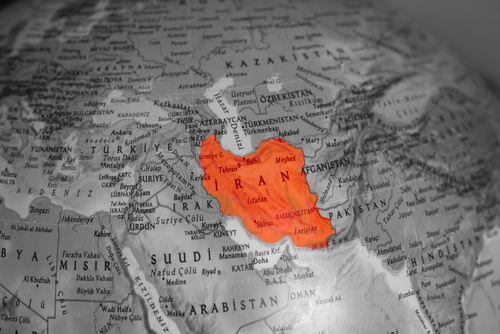
Following our previous communications, we are providing a further update on the geopolitical situation in the Middle East and its continued impact on global air and ocean supply chains. The overall situation remains fragile and security-driven. While air freight is showing gradual recovery, the ocean environment continues to face elevated risk exposure and sustained operational disruption.
Air Freight – Capacity Recovery Update
Middle Eastern carriers continue to progressively restore operations:
- Freighter capacity is now close to 100% restored
- Passenger flight schedules have recovered to approximately 75% of normal levels
This is supporting improved regional connectivity and increasing available capacity. However:
- Fuel costs remain elevated
- Emergency and fuel-related surcharges remain in place
- Cost normalization is expected to lag behind capacity recovery
Ocean Freight – Elevated Risk Environment
From an ocean perspective, no improvement has been observed, and the overall environment remains highly sensitive and security-driven.
- The Strait of Hormuz continues to represent a critical and high-risk maritime corridor
- Carriers maintain restrictive routing strategies and heightened operating caution
- Insurance, war risk, and security-related requirements remain elevated and continue to fluctuate at short notice
While key regional ports and alternative gateways remain operational, the broader environment continues to require cautious navigation and careful planning due to ongoing geopolitical uncertainty.
Operational Impact and Global Ripple Effects
Operational constraints remain consistent:
- Continued congestion across alternative hubs
- Feeder and inland bottlenecks
- Ongoing delays in port handling and container evacuation
Additional downstream effects are becoming more visible:
- Increased pressure and delays across global trade corridors
- Rising costs for alternative routings
- Continued schedule disruption and equipment imbalance
Broader Supply Chain Implications
The situation is expected to have prolonged global consequences, including:
- Disruption to energy and related supply chains
- Impact on petrochemicals, plastics, and industrial raw materials
- Exposure across key commodities originating from the Persian Gulf
These dynamics are expected to result in:
- Supply shortages in certain sectors
- Longer lead times
- Continued upward pressure on costs
What This Means for Your Shipments
Customers should continue to plan for:
- Extended and less predictable ocean transit times
- Elevated risk across Middle East-related trade lanes
- Gradual improvement in air freight capacity
- Sustained cost pressure from fuel, security, and operational surcharges
- High volatility depending on further geopolitical developments
Pentagon Guidance and Support
Pentagon remains fully mobilized globally to support your operations:
- Securing air capacity as recovery continues
- Managing ocean shipments via alternative and controlled routings
- Monitoring developments in real time through direct carrier engagement
- Supporting contingency planning and supply chain adjustments
We recommend that customers:
- Book early and plan proactively
- Maintain flexibility on routing and transport mode
- Share updated forecasts regularly
- Review insurance coverage, including war risk provisions
- Stay in close coordination with Pentagon teams
While air freight is showing encouraging signs of recovery, the overall environment remains highly volatile and operationally constrained, particularly on the ocean side. The current situation reinforces the expectation of prolonged disruption with broader global impact, despite continued operational availability across key regional hubs.
Pentagon will continue to monitor developments closely and provide further updates.al Situation
Your supply chain continuity—and the safety of our people—remain our top priorities.
Yours Sincerely,
Pentagon Middle East & India Management Team